Strategic Succession Planning for Art Collectors
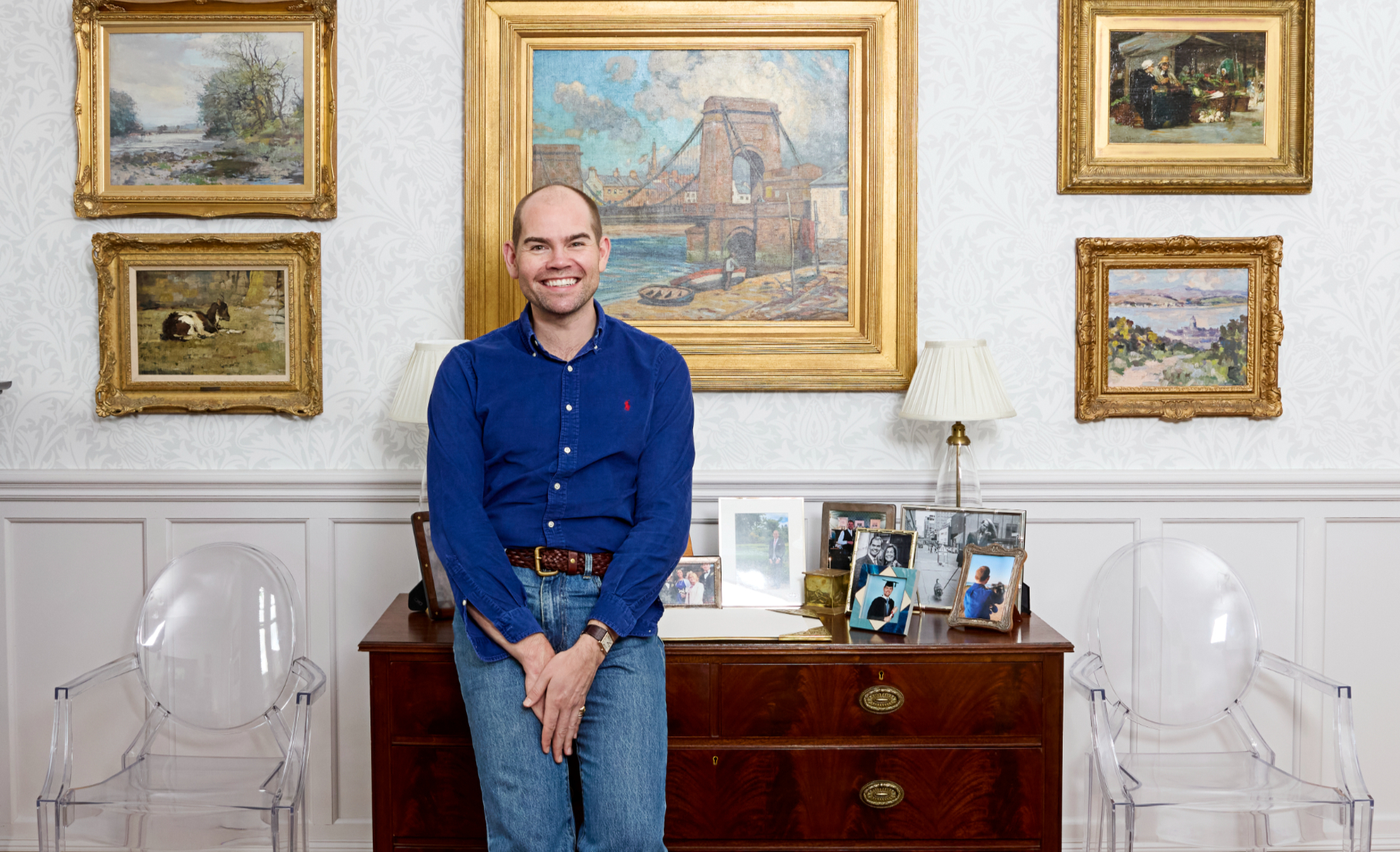
Art collecting is not just a passion; it is an investment that can span generations. As an art collector, you may have spent years curating a collection that reflects your taste, values, and aspirations. However, what happens to your collection when you are no longer able to manage it? This is where strategic succession planning comes into play. It ensures that your collection is preserved, appreciated, and passed on to future generations in a way that aligns with your vision.
In this blog post, we will explore the importance of succession planning for art collectors, the steps involved in creating a solid plan, and some practical examples to guide you through the process.

Understanding Succession Planning
What is Succession Planning?
Succession planning is the process of identifying and developing new leaders who can replace old leaders when they leave, retire, or die. In the context of art collecting, it involves planning for the future of your collection, ensuring that it is managed and appreciated according to your wishes.
Why is Succession Planning Important for Art Collectors?
Preservation of Value: Art can appreciate significantly over time. A well-planned succession strategy can help maintain or even increase the value of your collection.
Emotional Legacy: Art often carries sentimental value. A succession plan allows you to pass on not just the art itself, but the stories and meanings behind each piece.
Avoiding Family Disputes: Clear guidelines on how your collection should be handled can prevent conflicts among heirs.
Tax Considerations: Proper planning can help minimize tax liabilities for your heirs, ensuring they receive the maximum benefit from your collection.
Steps to Create a Succession Plan
Step 1: Assess Your Collection
Begin by taking stock of your collection. This includes:
Inventory: Create a detailed list of all artworks, including artist names, titles, purchase prices, and current valuations.
Condition Reports: Document the condition of each piece and any necessary maintenance or restoration.
Provenance: Gather documentation that proves the history and authenticity of each artwork.
Step 2: Define Your Goals
What do you want to achieve with your collection after you are gone? Consider the following:
Who should inherit your collection? Decide whether you want to pass it on to family, friends, or institutions.
What should happen to the collection? Determine if you want it to remain intact, be sold, or donated to a museum.
How should the collection be managed? Consider whether you want to appoint a trusted individual or a professional to manage the collection.
Step 3: Consult Professionals
Engaging with professionals can provide valuable insights into the complexities of art succession planning. Consider consulting:
Art Advisors: They can help you understand the market value and potential future trends for your collection.
Estate Planners: They can assist with legal documentation and tax implications.
Appraisers: They can provide accurate valuations of your artworks.
Step 4: Document Your Wishes
Once you have a clear understanding of your goals, it’s time to document your wishes. This can include:
A Will: Clearly outline how your collection should be distributed.
Trusts: Consider setting up a trust to manage your collection and its proceeds.
Letters of Instruction: Provide additional context and guidance for your heirs regarding your collection.
Step 5: Communicate with Your Heirs
Open communication with your heirs is crucial. Discuss your plans and the reasons behind your decisions. This can help them understand the value of the collection and your intentions, reducing the likelihood of disputes in the future.
Practical Examples of Succession Planning
Case Study 1: The Johnson Family Collection
The Johnson family has been collecting art for over three generations. When the matriarch, Margaret Johnson, passed away, she had a clear succession plan in place. She had documented her wishes in a will, specifying that her collection should be divided among her three children. Each child received a piece that held special meaning to them, along with a letter explaining why that piece was chosen. This thoughtful approach not only preserved the family legacy but also strengthened their bond.
Case Study 2: The Smith Art Trust
The Smith family established a trust for their extensive art collection. This trust was designed to manage the collection and ensure it was maintained properly. The family appointed an art advisor to oversee the collection and provide guidance on future acquisitions. This proactive approach allowed the family to enjoy their collection while also ensuring its value was preserved for future generations.
Common Challenges in Succession Planning
Emotional Attachments
Art collectors often have strong emotional ties to their pieces. This can make it difficult to make objective decisions about the future of the collection. It’s important to recognize these feelings and approach the planning process with both heart and mind.
Valuation Fluctuations
The art market can be unpredictable. Values can fluctuate based on trends, economic conditions, and other factors. Regular appraisals and market research can help mitigate this risk.
Family Dynamics
Family relationships can be complex. Different heirs may have varying levels of interest in the collection, leading to potential conflicts. Clear communication and documentation can help navigate these dynamics.
Conclusion
Strategic succession planning is essential for art collectors who wish to preserve their legacy and ensure their collection is appreciated for generations to come. By assessing your collection, defining your goals, consulting professionals, documenting your wishes, and communicating with your heirs, you can create a robust plan that reflects your values and intentions.
As you embark on this journey, remember that the art you collect is not just an investment; it is a reflection of your identity and passion. Take the time to plan thoughtfully, and you will leave behind a legacy that resonates with those you care about most.
Next Steps: Start by creating an inventory of your collection and consider reaching out to professionals who can assist you in the planning process. Your future self—and your heirs—will thank you.


Comments